

Last updated on January 26, 2026
Hair loss is a common concern, and for some individuals, medication can play a meaningful role in supporting hair density or slowing further thinning. With options such as minoxidil, finasteride and combination therapies, it can be challenging to understand how these treatments differ and which approach may be appropriate for your situation.
This guide offers a clear overview of the most widely used hair loss medications, explores common questions, including whether minoxidil can cause temporary shedding at the start of treatment and outlines how these therapies may be incorporated into a broader, medically supervised hair restoration plan.
How Hair Loss Medication Works
Medication for hair loss supports the hair growth cycle by helping to maintain existing hair and slow the progression of thinning. These treatments can be beneficial for certain types of hair loss, particularly androgenetic alopecia, although their effectiveness varies from person to person and is influenced by factors such as age, genetics and how advanced the thinning is when treatment begins.
Among the most widely used options are minoxidil and finasteride. Each works through a different mechanism to support hair density, and they are often considered as part of a broader, medically guided approach to managing hair loss.
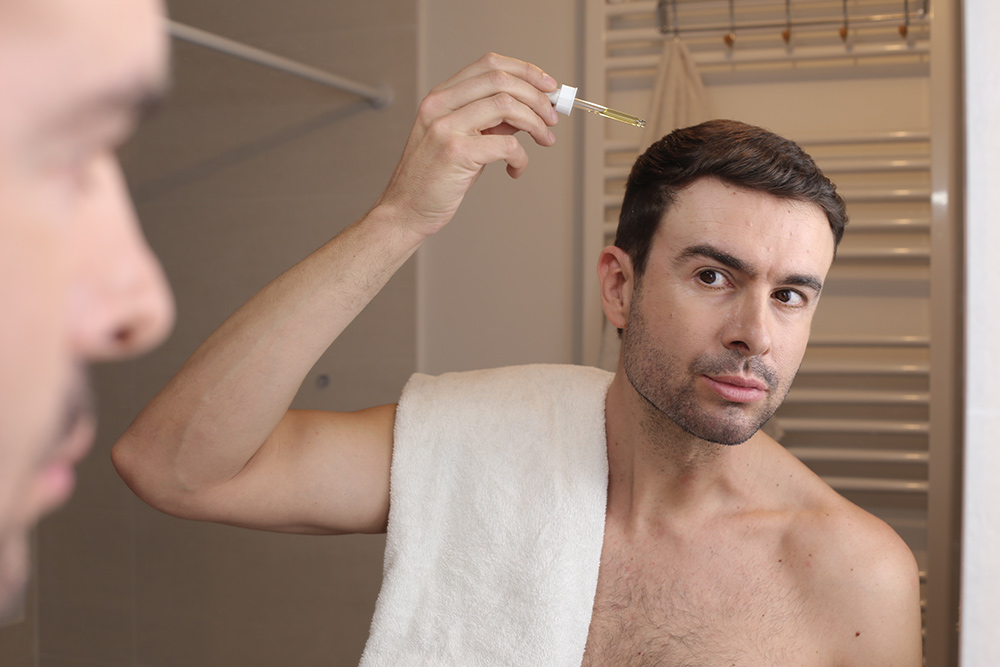
Minoxidil is a topical medication that helps more hair follicles remain in the active growth phase for longer.
Minoxidil: What You Need to Know
Minoxidil is a topical medication available as either a solution or a foam and is widely used in the management of certain types of hair loss. It is applied directly to the scalp and works by supporting the hair growth cycle.
One of its key effects is helping more hair follicles remain in the active growth phase for longer, which can contribute to improved density over time. As it acts locally on the scalp, minoxidil is often considered a first-line option for individuals experiencing early or mild thinning.
Can Minoxidil Cause Hair Loss?
Some people notice increased shedding when they first start using minoxidil. As minoxidil encourages follicles to shift into a new stage of growth, older hairs may shed to make room for emerging strands.
This process reflects the natural turnover of the hair cycle rather than permanent loss, and it typically settles as the follicles adjust. Not everyone will experience this phase, but for those who do, it usually occurs within the first few weeks of use.
How Minoxidil Plays a Role in Hair Support
Minoxidil is most effective when used consistently and as part of a long-term plan. Any changes tend to appear gradually because hair growth occurs in cycles that take time to respond to treatment.
Individual results differ, and some people may notice improvements sooner than others. If minoxidil is discontinued, any benefits gained during use are likely to lessen, and the hair typically returns to its natural pattern of growth.

Finasteride is an oral prescription medication used in some cases of androgenetic alopecia.
Finasteride for Hair Loss
Finasteride is an oral prescription medication used in some cases of androgenetic alopecia. It works by influencing the hormone pathways associated with pattern hair loss. Finasteride is generally recommended only after consultation with a healthcare professional who can assess suitability and discuss potential risks.
Finasteride and Hormonal Sensitivity
Finasteride is generally used in situations where hair loss is driven by hormonal sensitivity. It is not appropriate for everyone, and responses can vary significantly between individuals. Regular medical follow-up is important to ensure the treatment remains suitable and to monitor for any changes over time.
Taking Finasteride and Minoxidil Together
In some cases, a clinician may recommend using finasteride together with topical minoxidil. As each medication works through a different mechanism, combining them may provide broader support for the hair growth cycle when appropriate.
A doctor can help determine whether a combined approach is suitable based on your pattern of hair loss, scalp health, medical history and overall treatment goals.
How Long Does Hair Loss Medication Take to Work?
Hair growth occurs slowly, so noticeable changes from treatments such as minoxidil or finasteride typically appear only after several months of consistent use. Response times vary between individuals, and improvements tend to develop gradually as the hair cycle adjusts.
These medications are not considered permanent solutions, and any benefits achieved are generally maintained only while treatment continues. If either medication is discontinued, the hair usually returns to its natural pattern of growth over time, which is largely determined by genetic and hormonal factors.
Experiencing Hair Loss? Here’s How Crown Clinic Can Help
If you’re noticing ongoing thinning, a receding hairline or changes in density, The Crown Clinic offers doctor-led, evidence-based hair restoration solutions tailored to your individual needs.
Medication alone may not be the most appropriate option for everyone, and our team can guide you through both medical and procedural treatments.
FUE (Follicular Unit Extraction)
FUE is a minimally invasive hair transplant technique in which individual follicles are carefully removed from a donor area and implanted into regions experiencing thinning. This method aims to create natural-looking coverage with minimal scarring and a comfortable recovery period, making it a widely used approach in modern hair restoration.
Sapphire Hair Transplant
Sapphire FUE is a refined variation of the traditional technique. It uses ultra-fine sapphire blades to create precise micro-incisions, allowing for improved placement of grafts and enhanced refinement in areas such as the hairline.
Non-Surgical Treatments
For individuals who prefer to explore non-surgical paths, The Crown Clinic offers a range of medically guided treatments. These may include prescription topical therapies and medical-grade supplementation when appropriate. Such treatments are designed to help support scalp health, preserve existing hair and slow further thinning as part of a comprehensive care plan.
STIM Medical Hair Care
To complement clinical treatments, The Crown Clinic often recommends the STIM hair care system. This range includes shampoos, conditioners and topical serums formulated with ingredients such as biotin, caffeine and peptides. When used consistently, these products can help strengthen hair, reduce shedding and support an overall healthier scalp environment.
Each treatment plan begins with a free consultation, allowing our team to assess your scalp, understand the factors contributing to your hair loss and recommend the most suitable combination of treatments for your goals.
Book a Free Hair Consultation
Experiencing ongoing hair loss or noticing changes in your hair?
At Crown Clinic, we bring over 50 years of experience in hair restoration and offer a truly personalised approach to treatment. Our expert team can offer personalised options to encourage healthy regrowth.
📞 Call us on +61 2 9134 4788 or book your free consultation here to get started.
FAQs
What is the best medication for hair loss?
There is no single medication that is universally best for all types of hair loss. The most suitable option depends on factors such as the cause of thinning, age, medical history and individual treatment goals. Minoxidil and finasteride are two of the most commonly prescribed treatments, but a healthcare professional can advise which approach is appropriate for your specific situation.
Can I use minoxidil and finasteride together?
Some individuals may be advised to use minoxidil and finasteride at the same time, as the two treatments work through different mechanisms. Combination therapy is not suitable for everyone, so it is important to seek guidance from a healthcare professional before starting both medications.
What is the main side effect of finasteride?
Finasteride can cause side effects in some people, particularly those affecting sexual function. The likelihood and severity of these effects vary between individuals. Anyone considering finasteride should discuss potential risks and benefits with a qualified doctor.
Does minoxidil provide permanent results?
Minoxidil does not produce permanent results. Any improvements in density or reduction in shedding usually depend on continued use. If treatment is stopped, the hair generally returns to its natural pattern of growth over time.

About The Author
Dr Tony Prochazka
Dr Tony Prochazka is one of Australia’s leading cosmetic doctors, specialising in advanced hair restoration techniques, including FUE (Follicular Unit Extraction) hair transplants, cosmetic procedures, and non-surgical treatments. With over 20 years of experience, he specializes in delivering personalized solutions for men and women seeking natural-looking hair restoration and aesthetic enhancements.
 Online Marketing For Doctors